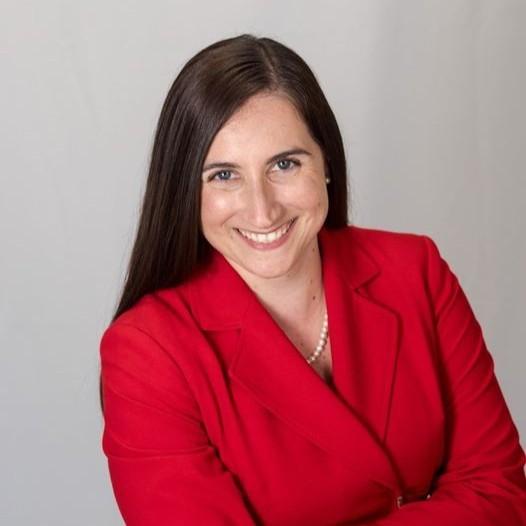
“Within weeks, Lexidesk changed the way our intake operates. Our lead-to-schedule rate went from 31% to 49% in just two months. That's quite a jump!”
Billie Tarascio
Founder & Managing Attorney at Modern Law
Showing testimonial 1 of 7
Capture vulnerable accident victims with empathy 24/7, expertly assess claim viability, and let your PI lawyers focus on winning cases while we handle the crucial initial contact.
“Within weeks, Lexidesk changed the way our intake operates. Our lead-to-schedule rate went from 31% to 49% in just two months. That's quite a jump!”
Billie Tarascio
Founder & Managing Attorney at Modern Law
Showing testimonial 1 of 7
Answer 3 quick questions to get your personalised revenue impact assessment.
Include every inbound call in and outside business hours, new and existing clients alike
Lexidesk answers every time, captures liability, and gets qualified callers to your team while the case is still hot.
A caller who hits voicemail dials the next firm within the hour and never calls back. Emma answers in seconds, day or night, so a vulnerable caller reaches a real conversation instead of a machine.
Emma handles shaken, injured callers with care while still capturing what happened, when, who was at fault, and the treatment so far, the facts that decide whether a case is worth taking.
Emma asks your real questions, injury, fault, timing, treatment, existing attorney, scores each claim 1 to 10, and flags catastrophic matters like wrongful death or brain and spinal injury as high value.
During business hours Emma live-transfers a qualified accident victim to your team to sign, reading out the facts first. After hours she books the consultation instead, so nothing waits until morning.
Hesitant victims retain whoever stays in touch. Emma follows up by text and email, faster for hot leads, personalized with your results and reviews, until they sign or opt out.
See your funnel by case type, calls, qualified leads, and bookings, plus lead source and UTM data, so you know which marketing actually produces signed cases.
All companies below have native integrations with us. Custom integrations available too.







Your data is protected by industry-leading infrastructure and protocols.
Our service runs on Microsoft Azure infrastructure aligned with ISO 27001, SOC 1, SOC 2 Type II, and GDPR requirements.
We enforce strict, role-based access control. Our personnel can only access your data with a legitimate operational need, ensuring confidentiality and integrity.
Client data is hosted on Azure and encrypted both at rest and in transit to protect confidentiality throughout its lifecycle.
Experience our AI-powered client intake system firsthand
+1 313 474 7939Call as a potential client seeking legal services
Experience how our AI client intake system qualifies cases with lawyer-level intelligence.
After your call, you'll receive an SMS with your case summary and a link to schedule a discovery call for your firm.
Now Speaking With
from Ashbury & Clarke
Thank you for calling Ashbury & Clarke. This is Emma. How can I help you today?
I was in a car accident two weeks ago and my neck and back are still painful.
I'm sorry to hear that. I can help. To get you to the right lawyer, could you share when and where this happened, whether anyone else was at fault, and a brief outline of your injuries?
Capture every opportunity. Qualify leads intelligently. Convert more clients.
Most PI firms use Lexidesk as a first-response and overflow layer, not a replacement. When your intake staff are already on another call, after hours, or away for the weekend, Emma answers instantly instead of letting the call go to voicemail. Speed-to-lead decides PI cases, the firm that picks up first usually signs, so a hybrid setup consistently captures leads that would otherwise reach a competitor while your team is calling someone else back.
You define the criteria, but a typical PI script asks what happened, when and where, whether you were injured, whether you received medical treatment, who was at fault, and whether you already have an attorney. Emma also captures the opposing party. Callers who don’t meet your thresholds, for example an accident more than the statute allows, no injury, or the caller was at fault, are told your firm isn’t the right fit, and qualified leads are scored 1 to 10 and routed immediately.
This is common in PI, and Emma handles it per your instructions. She identifies it on the call and can take a message, offer a referral, or run a second-opinion path, asking whether their current lawyer is responsive, keeping them updated, or pressuring them toward a low settlement, so a genuine switch isn’t lost while a tire-kicker is screened out. It’s fully configurable.
Yes. You can set different qualification criteria for different matter types, and Emma applies the right questions based on what the caller describes, even if they never say “personal injury” and just mention a car crash. Catastrophic matters such as wrongful death or brain and spinal injury can be flagged as high value and escalated immediately. For complex areas like medical malpractice, where an attorney really needs to assess the case, Emma captures the full picture and routes it for review rather than auto-qualifying.
Yes. When a lead qualifies during the hours you set, Emma warm-transfers them to your intake team or an attorney and reads out the facts first, so no one picks up cold. After hours, when there’s no one to take the transfer, she books the consultation, sends the link, and delivers the summary so your team can follow up first thing.
Lexidesk integrates natively with Clio Grow, Clio Manage, HubSpot, Lawmatics, and Neos, plus Calendly, Acuity, and custom webhooks via Zapier, Make, n8n, or Go High Level. Each lead’s summary, qualification status, score, and recording flows into the tools you already use, and you can route new leads to one system and summaries to another, for example leads to your CRM and case notes elsewhere.
Most firms are live within 3 to 5 business days. Our team builds and configures everything from your onboarding details, and you test the agent with real calls before launch. For the first two weeks after going live we make unlimited tweaks and proactively review your calls, then ongoing support continues during your firm’s working hours.
Didn't find what you're looking for? Email us at hello@lexidesk.ai
A plain rundown of how the AI handles your personal injury calls: what it asks, how it qualifies a claim, how it works with the intake team you already have, and how it gets a hot lead signed before a competitor does. If you are comparing an answering service or AI intake for your firm, this is the detail behind the demo.
Every call is picked up the instant it rings, by phone or through the website chat widget, at any hour. The AI agent (we call her Emma) runs a real intake conversation, qualifies and scores the claim, then either transfers the caller to your team or books them, and sends a written summary. On the phone she works as both intake and a receptionist, without adding headcount.
Emma handles intake and reception, not the case itself. She does not give legal advice, estimate what a claim is worth, or judge liability, and she discloses that she is an AI assistant when asked, or up front, depending on how you set it up.1 Her job is to capture the facts accurately and get viable claims to your attorneys faster than the firm down the street.
Accident callers are often in pain, shaken, or calling from a hospital, and they rarely use legal terms. Emma stays calm, asks plainly, and still captures the facts that decide whether a claim is worth taking.2
| Detail | Example |
|---|---|
| Incident type | Car or truck accident, slip and fall, dog bite, workplace injury, medical malpractice, wrongful death |
| When and where | Date and location, checked against the statute of limitations |
| Liability | Who was at fault, how it happened, and any witnesses |
| Injuries and treatment | The injuries, and whether the caller went by ambulance, saw a doctor, or visited the ER |
| Opposing party | Other driver, insurer, or business, for your conflict check |
| Existing attorney | Whether the caller already has representation |
Personal injury is a race. An accident victim rarely leaves a voicemail; they work down a list and hire one of the first firms that actually answers, often within a couple of hours. Every call that rings out after hours or while your team is mid-conversation is a case that goes to someone else.3
Emma removes the gap. She answers on the first ring at any hour, qualifies on the spot, and gets a hot lead in front of your team while the caller is still motivated, instead of leaving a callback that lands after they have already signed elsewhere.
You set the criteria during onboarding, and Emma applies them on every call, scoring each claim from 1 to 10 on fit and urgency so your team sees the strongest cases first.4 Common rules PI firms give her:
Most PI firms do not hand intake over wholesale; they bolt Emma on where they bleed cases. When both intake staff are already on the phone, the third caller usually rolls to voicemail, and when the team is calling leads back, fresh calls slip past unanswered. Emma covers that overflow, and the nights and weekends when no one is at the desk.5
During the hours you choose, qualified leads warm-transfer straight to your team to sign; outside them, Emma books the consultation and sends the summary. Firms typically start with after-hours and overflow, then widen her hours once they see the cases she recovers.
PI firms get a steady stream of callers who already have representation and only want to know what their claim is worth, plus a smaller number genuinely looking to switch. Emma tells them apart the way you tell her to: she can take a message, offer a referral, or ask whether their current attorney is responsive and keeping them informed, so a real switch is captured and a casual price-check does not tie up your team.6
Callers who do not qualify, wrong state, no injury, a matter you don’t handle, are told plainly that your firm isn’t the right fit. Rather than losing them, Emma can pass them to a partner firm through the referral network and track the outcome, turning a dead-end call into goodwill or a referral fee.7
A victim who does not sign on the first call is usually still deciding, and they will retain whoever stays in front of them. Emma follows up by text and email, more often and faster for hot leads, personalized from your results, reviews, and attorney bios, until the caller signs or opts out.8 Follow-up is included in every plan.
Everything she captures flows into the tools you already use: Clio Grow, Clio Manage, HubSpot, and Lawmatics, plus Go High Level and others through custom integrations. You can route new leads to one system and summaries to another, and each record carries the summary, qualification status, score, and a link to the recording.
Most firms weigh Lexidesk against a human answering service or call center rather than other software. The practical difference for personal injury:
| Human answering service | Lexidesk AI intake | |
|---|---|---|
| Availability | Business hours, or premium 24/7 | 24/7, every call |
| PI detail captured | Message and callback number | Injury, fault, treatment, opposing party |
| Qualifies the claim | No | Against your criteria, scored 1 to 10 |
| Hot-lead transfer | Yes, but inconsistent | Warm transfer to your team to sign |
| Follow-up if no retainer | None | Personalized text and email, faster for hot leads |
| Cost as volume grows | Per-minute or per-call | Flat, scales with no extra agents |
Lexidesk does not replace your intake team; it makes sure no call goes unanswered while they are busy or gone. The common setup uses Emma for after hours and overflow first, then widens her hours as a firm sees the cases she recovers, while staff spend their time signing leads that are already qualified.9 To put a number on it, try the revenue calculator.
Injury work shares the same after-hours urgency as criminal defense, and Emma routes the same way there. To hear how real callers respond, read the client voices, or browse case studies from firms running Lexidesk on their intake.9